
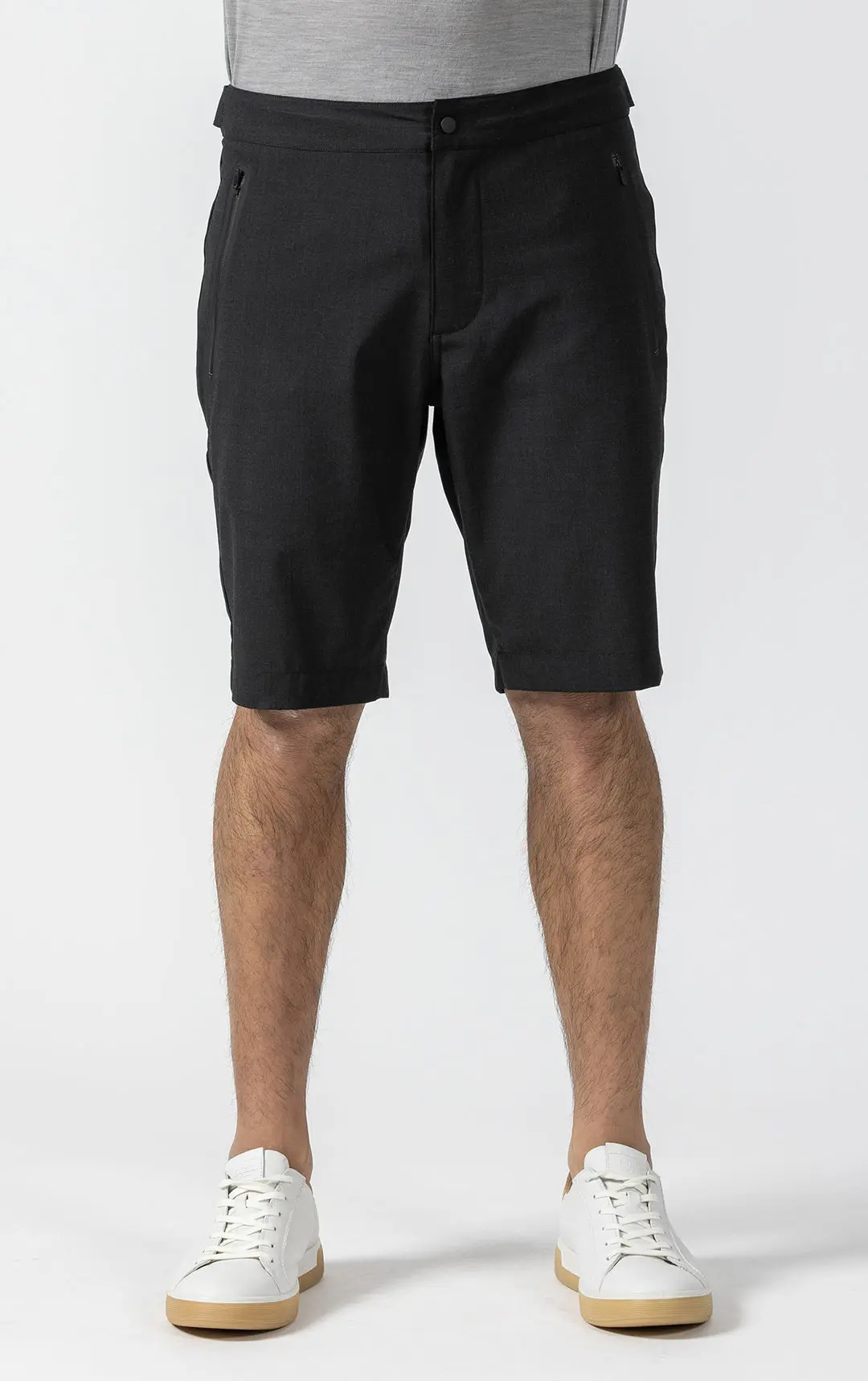
Flame-resistant clothing (FRC) was once considered specialist equipment for oil and gas workers. Today it’s standard practice across mining, electrical, utilities, and increasingly, general construction — and the reasons are worth understanding.
What Makes Clothing Flame-Resistant?
FRC is made from inherently flame-resistant fibres — like Nomex or Modacrylic blends — or from treated cotton that self-extinguishes when the ignition source is removed. The key difference from regular workwear: it won’t melt or continue to burn, which dramatically reduces the severity of burn injuries in a flash fire or arc flash event.
The Australian Standard
FRC in Australia is evaluated against AS/NZS 4824 (industrial clothing for protection against heat and flame) and AS/NZS 1957. Critically, garments must be tested not just as new items, but after repeated laundering cycles — because a garment that loses its FR properties after 20 washes offers no real protection on a live site.
Why Companies Are Switching
Three factors are driving adoption across industries:
- Risk management — A single arc flash or flash fire incident carries enormous human and financial cost. FRC is a comparatively small investment against that risk.
- Compliance pressure — SafeWork Australia and state regulators are tightening requirements. Proactive compliance is far easier and cheaper than reactive change after an incident.
- Improved comfort — Modern FRC blends are lightweight, breathable, and cut to move. Workers actually wear them correctly, which is the whole point.
Video: Understanding Arc Flash Risk
Replace the above with your preferred safety training video.
Custom FRC Programs
At BAYA Supply, we build custom FRC workwear programs for teams of all sizes — from embroidered logo placement to full uniform specification with compliant FR fabrics. Talk to us about what your team needs.